- Home
- About Us
About Us
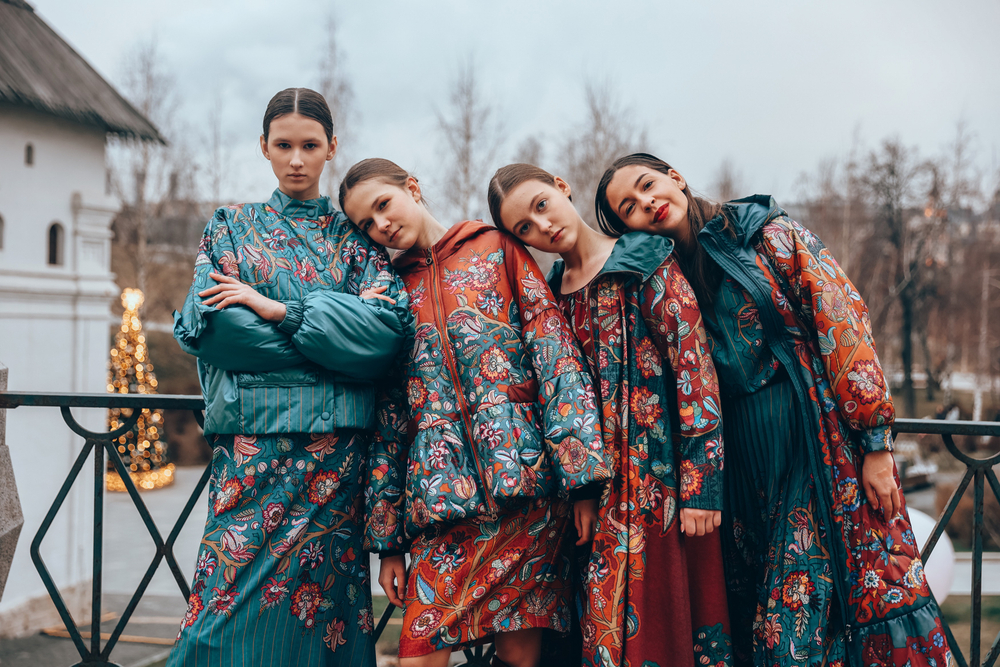
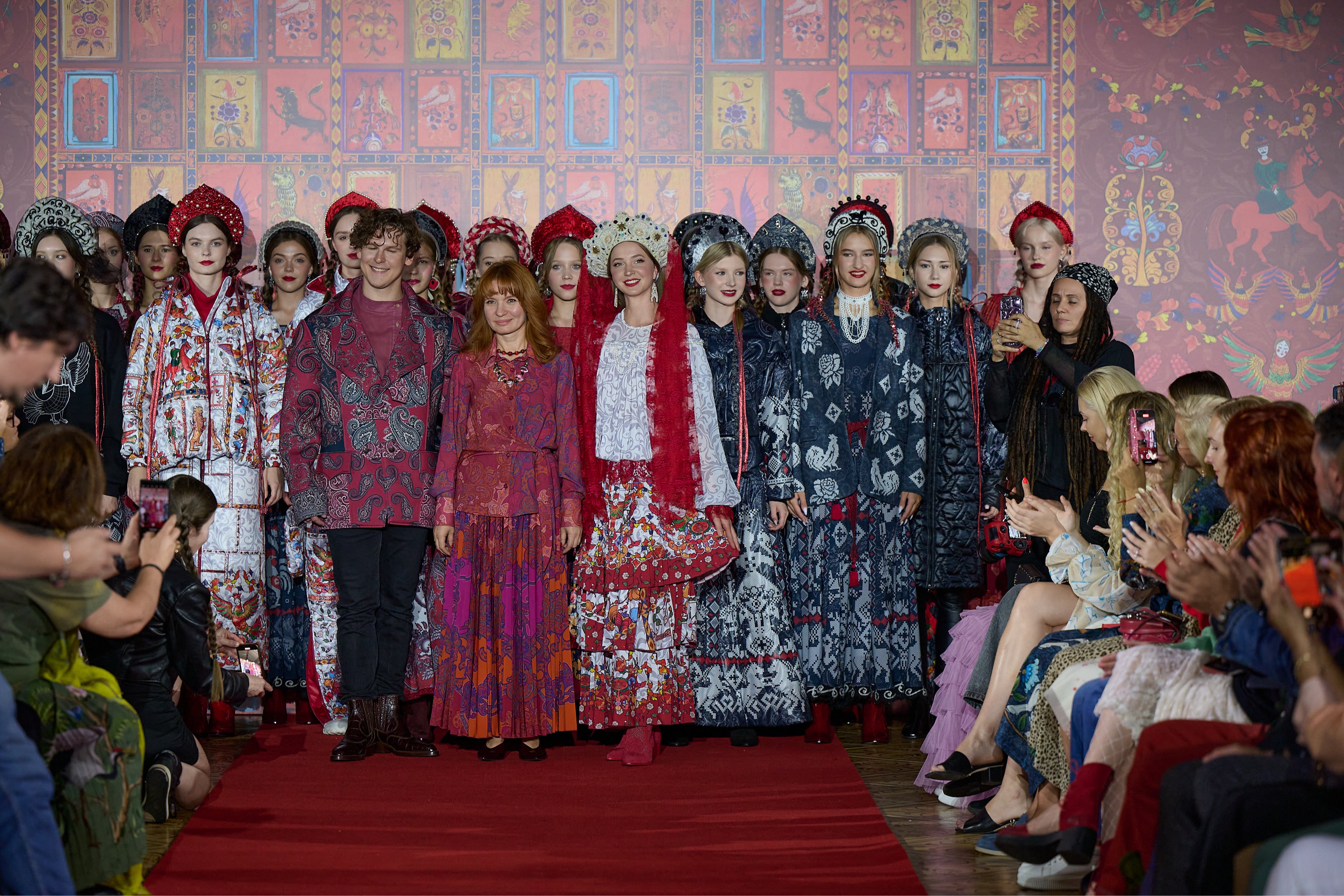
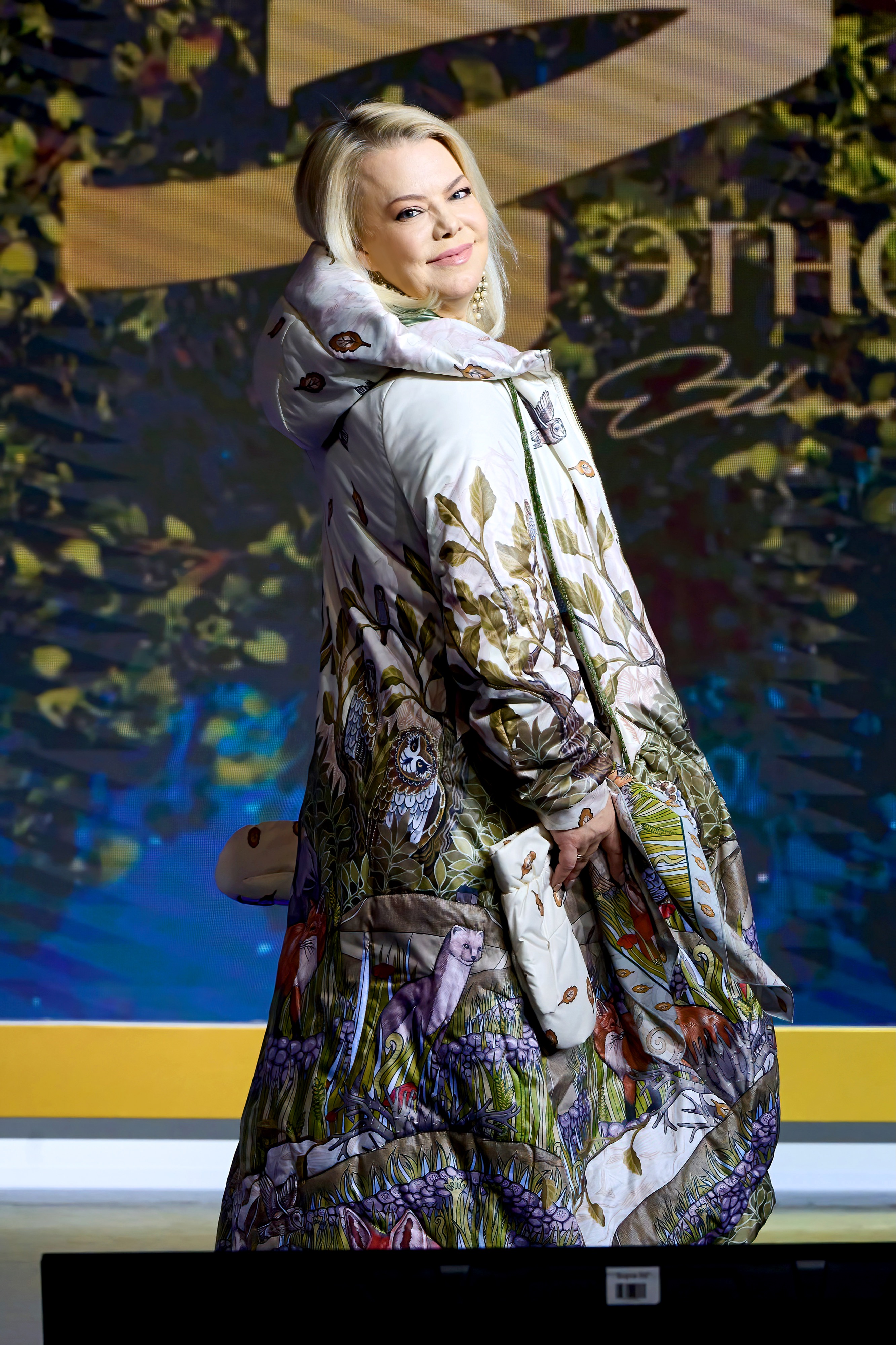
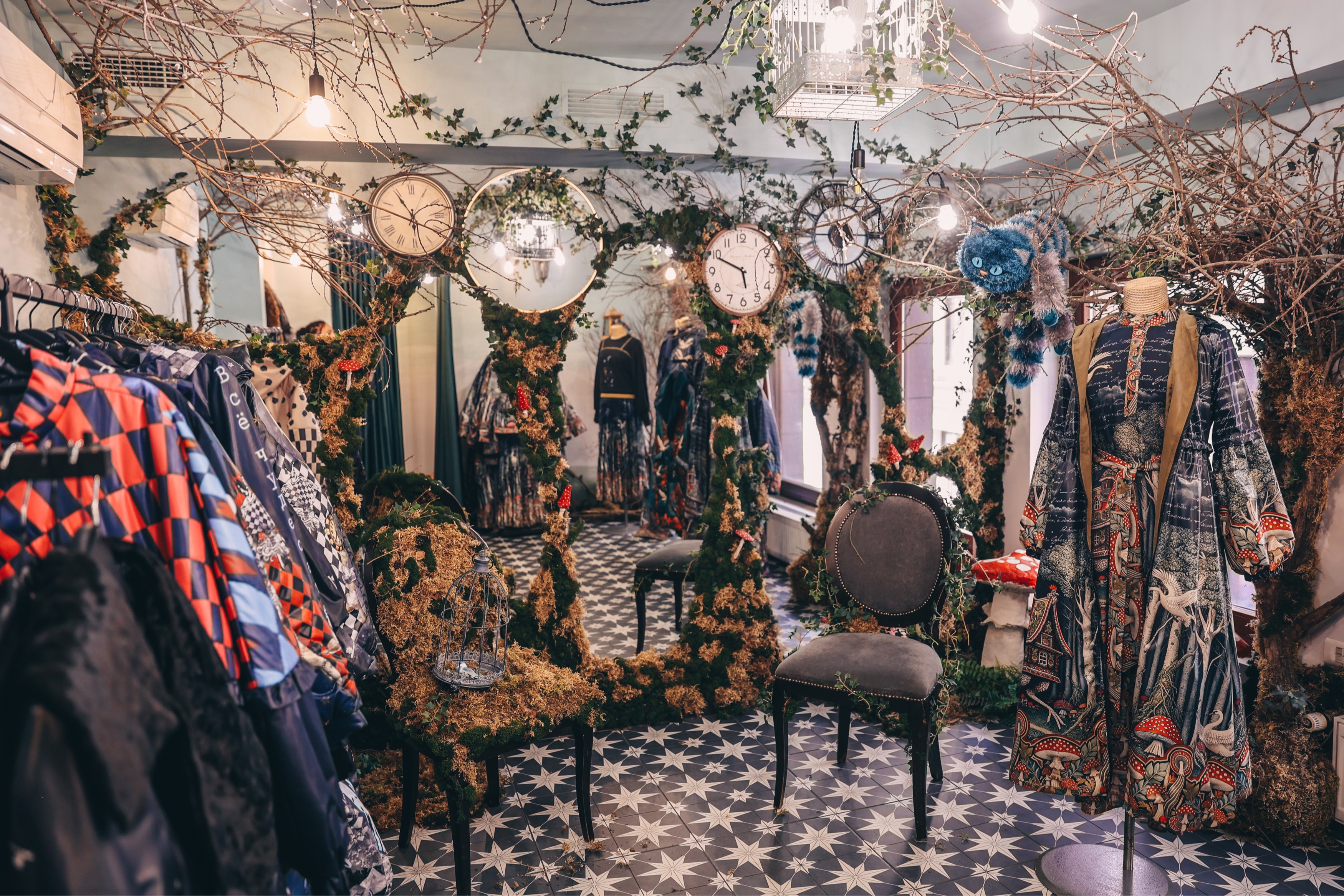
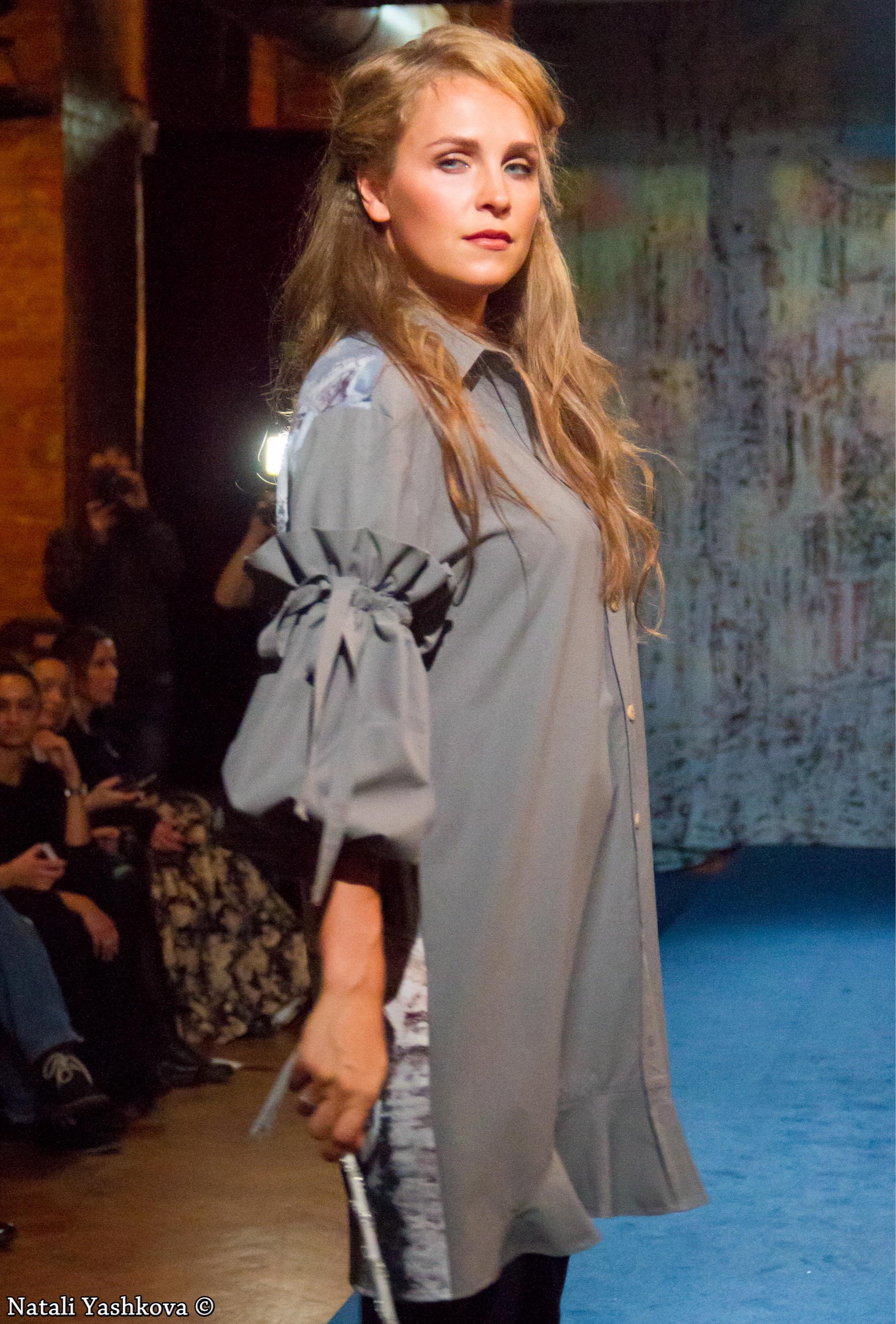
The "Dushegreya" brand is best known for its distinctive outerwear, featuring a focus on prints and designer quilting. For at least nine months of the year, the weather in Russia is cold and gray; our goal is to make that "grayness" just as desirable as a vibrant summer!
Where does the name come from? It is derived from the old Russian word *dushegreya*—a term for a festive, sleeveless outer garment worn by women in times past. This evocative name captures the very essence of our creative work. The "Dushegreya" brand is a story about the "soul" (*dusha*) and "warming" (*gret*), as well as a celebration of life.
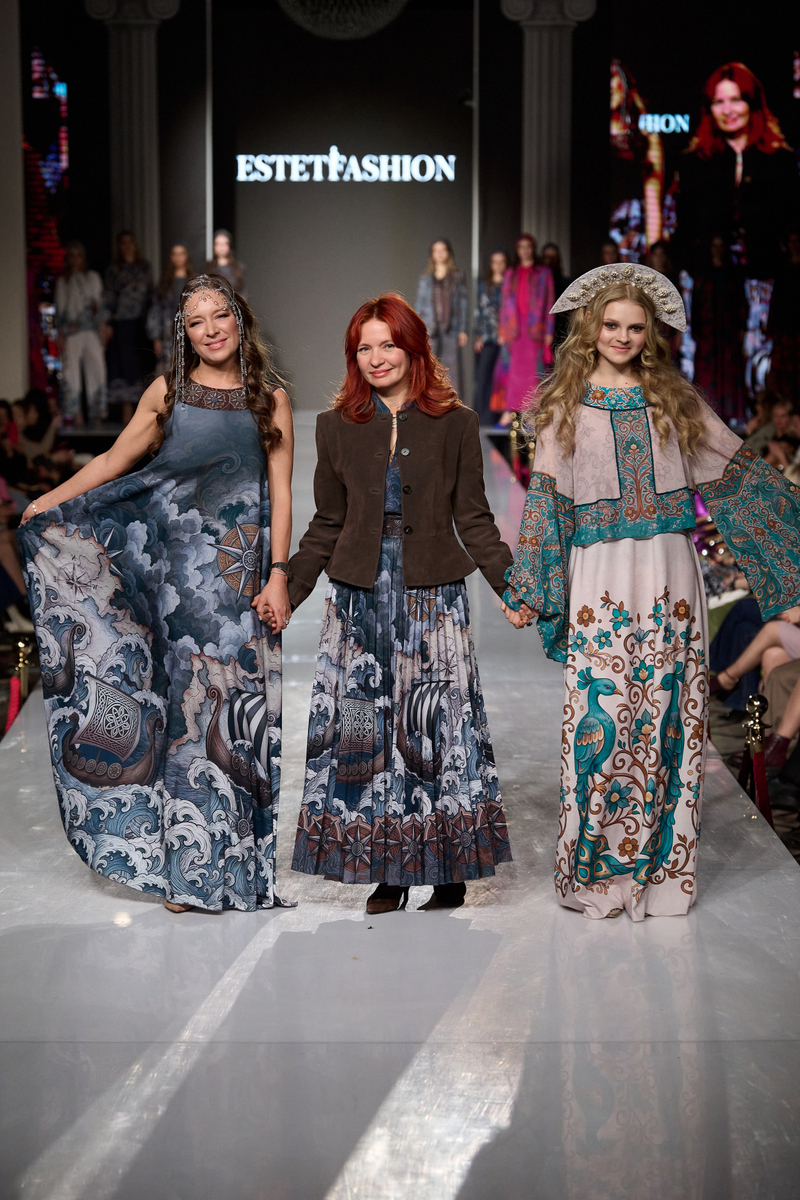
The brand’s strengths lie in its original fabric designs and reasonable prices for exclusive pieces. Any item from a Dushegreya collection highlights the wearer’s status as a creative and unique individual. The brand’s founder is Natalia DusheGreya—winner of the "Fashion of Russia 2015" contest, holder of two patents for decorative knitwear finishes, "Businesswoman of the Year 2015," and a mother of many children. The brand’s clientele includes stars such as actresses Irina Lachina, Svetlana Toma, Serafima Nizovskaya, Ekaterina Direktorenko, Ekaterina Drobysh, Anna Churina, Anna Terekhova, Oksana Stashenko, Natalia Bochkareva, Natalia Lesnikovskaya, Maria Romanova, Yulia Romashina, Katya Semenova, and Olga Kuzmina; TV presenters Irina Sashina and Larisa Verbitskaya; Bolshoi Theatre prima ballerinas Anna Tikhomirova and Anastasia Meskova; singers Katya Lel and Natalia Gulkina; figure skater Anastasia Grebenkina; and many others.
Designer Natalia Dushegreya is the founder and driving force behind this successful brand, which for five years has offered women the chance to immerse themselves in an enchanting world of fairy tales! Who better to tell the story of the brand than her?
Here are a few quotes from an interview with her:
How did it all begin?
I spent two months mentally preparing for "DusheGreya"; I visualized the coats I wanted to wear myself, and suddenly realized that the niche was wide open—no one else was producing anything like this at our price point. Of course, Dolce & Gabbana and Valentino have interesting down coats, but those belong to a completely different category of garments. I wanted to create coats that were vibrant and interesting—pieces with a kind message and a positive, unique twist—that almost any woman could afford. After two months of round-the-clock preparation—sketching, creating prototypes, and handling other organizational tasks—we rented our first space for "DusheGreya" on November 15, 2015, and officially launched the brand.
In 2020, the "DusheGreya" brand will mark its first major milestone: its fifth anniversary. Would you describe these years as a "high-intensity five-year run"?
Yes, that’s exactly right. We worked around the clock to develop the "DusheGreya" brand. 2019—the final year of that intense five-year period—was the only time I finally allowed myself to relax a bit and started making time for rest.
Did you foresee this level of success when you created "DusheGreya"?
When I first conceived "DusheGreya," I was looking for a creative outlet for my soul—I had no grand ambitions in mind. I certainly didn't predict the scale we’ve achieved today. But that’s just how business works, it seems: you either keep moving forward, or you fall behind. To stay afloat, you have to keep moving forward, exploring new things, and implementing them.

The journey of building a brand involves not just roses, but thorns too. Did you encounter many of those along the way?
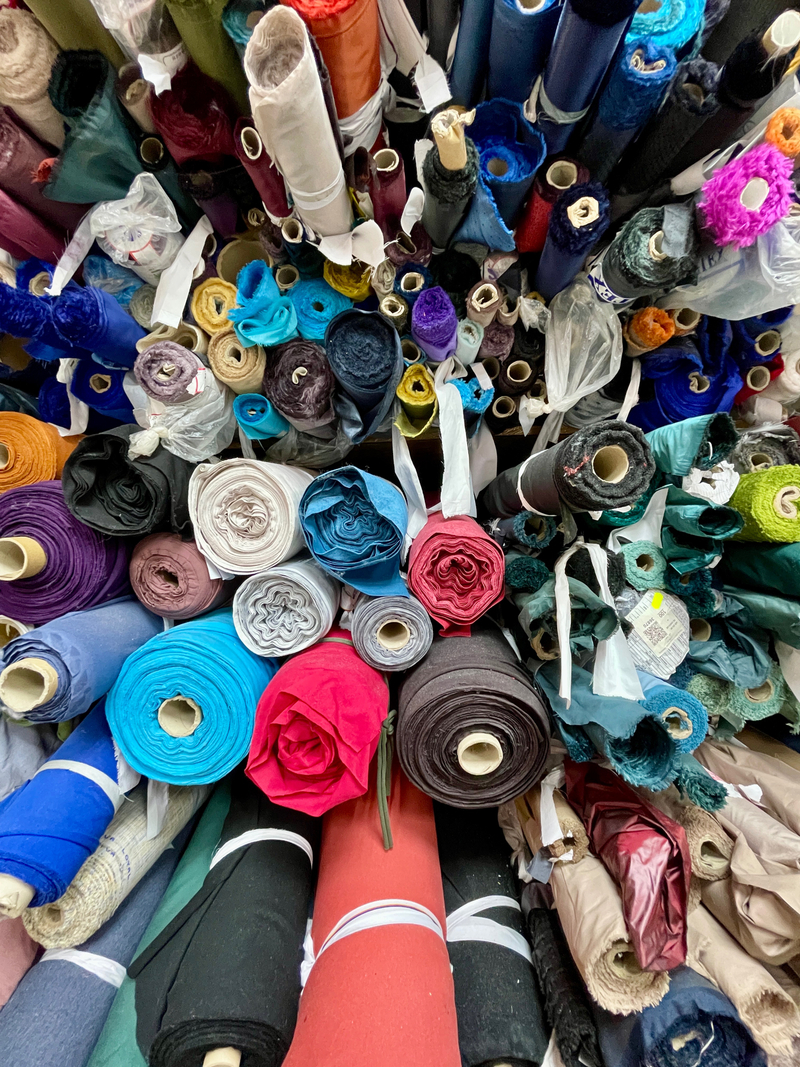
It seems to me that during the first year of DusheGreya’s existence, we made just about every mistake imaginable. For instance, we had issues with buttons and zippers, among many other challenges. Fabrics are rarely manufactured in Russia, and hardware options are limited, so everything has to be sourced abroad—which adds time to the process. But we managed to overcome these hurdles and learn from the experience. We strive to create high-quality, impressive garments, and we’re happy to see that we’re succeeding.
The brand has a great many celebrity fans—they actively share photos of themselves wearing your clothes, express their admiration, participate in fashion shows, and so on. Looking back, who was the first famous person to become a DusheGreya customer?
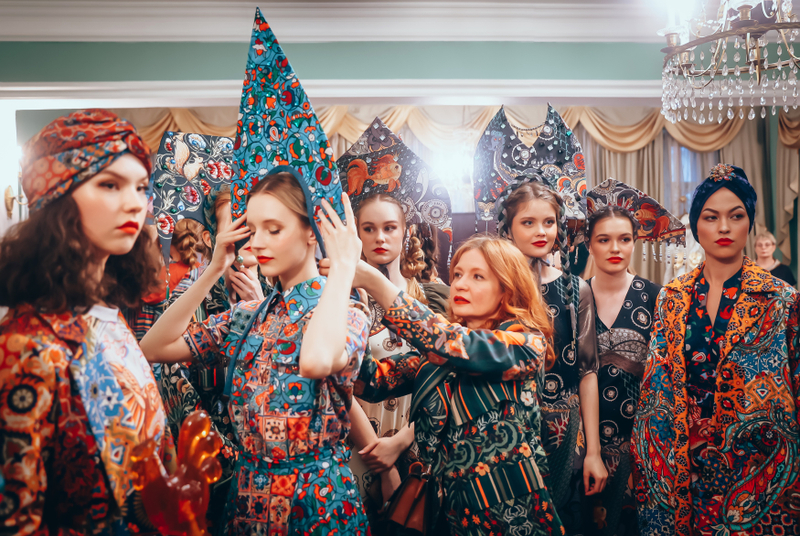
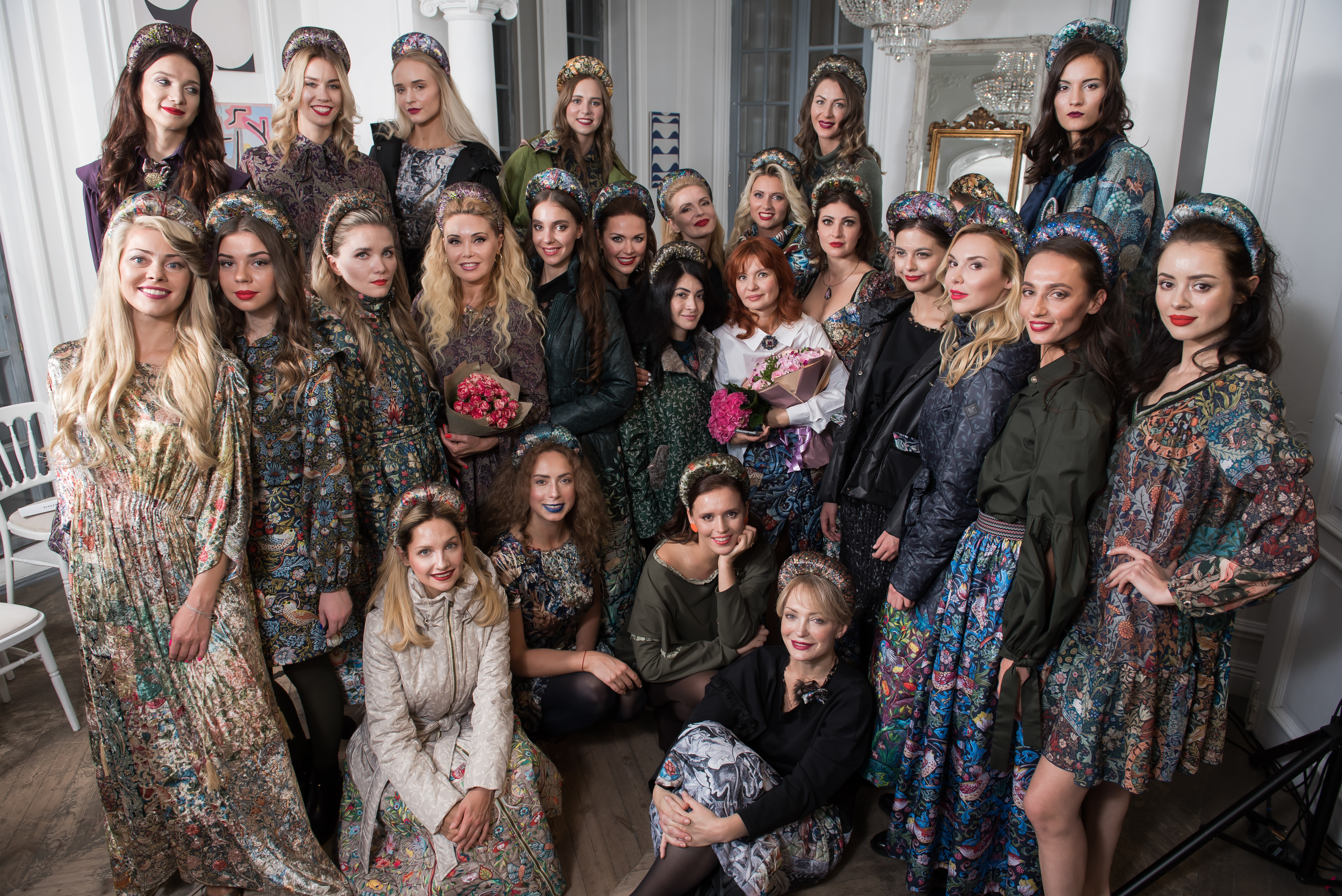
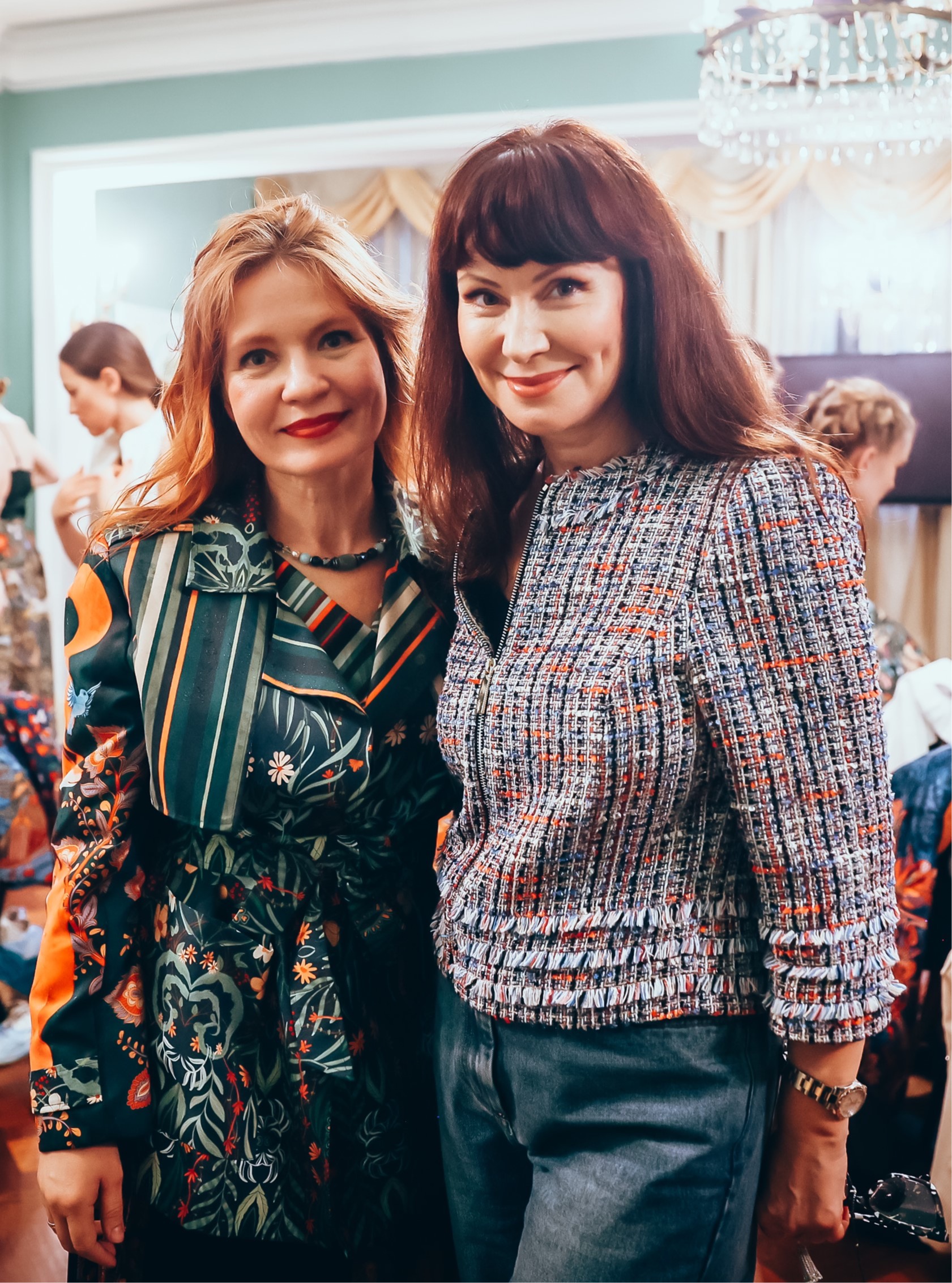
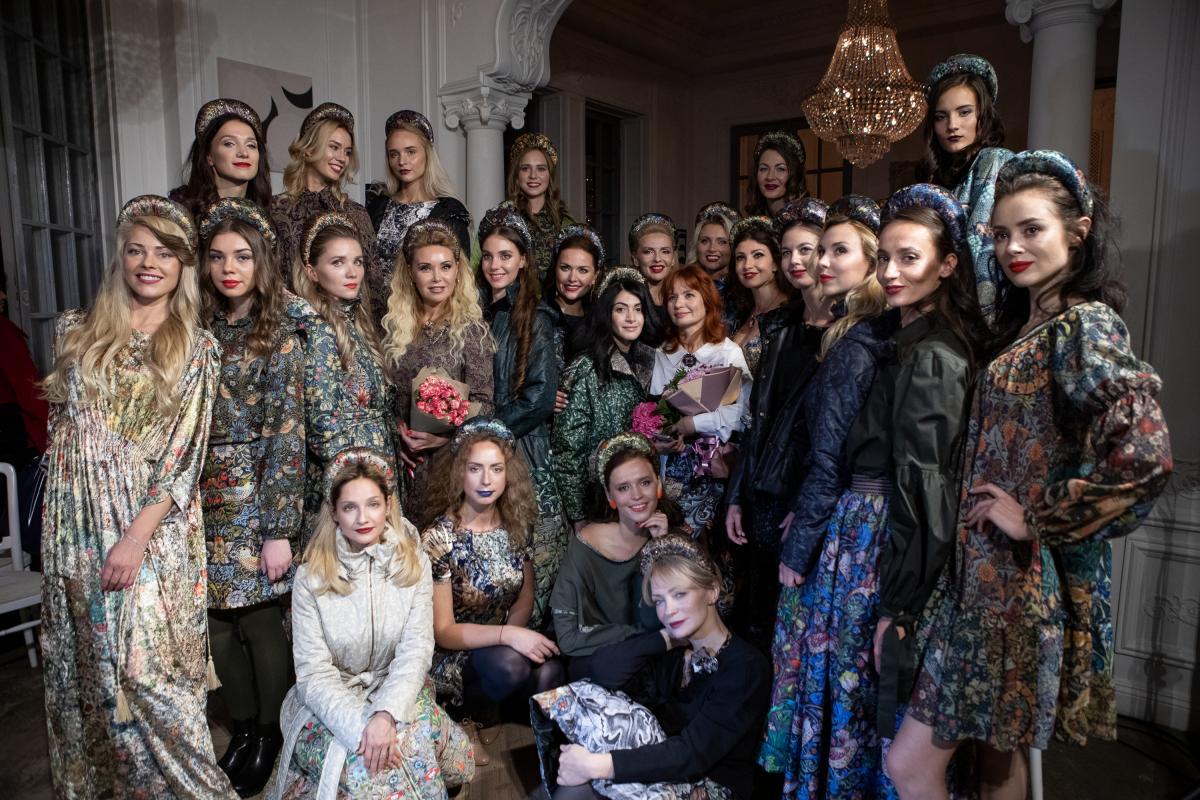
In 2016, our first celebrity visitors included actresses Irina Lachina, Liza Arzamasova, and Anna Terekhova, as well as designer Alisa Tolkacheva and TV presenter Irina Sashina. They really fell in love with our designs and actively spread the word about us—we are incredibly grateful to them for that. A circle of famous friends of the brand quickly formed after that; they happily wear DusheGreya clothing and take part in our fashion shows and presentations.
A distinctive feature of "DusheGreya" is its unique prints. Some are your own designs, while others are works by artists that have caught your eye. Could you tell us about the process of creating and selecting these prints?
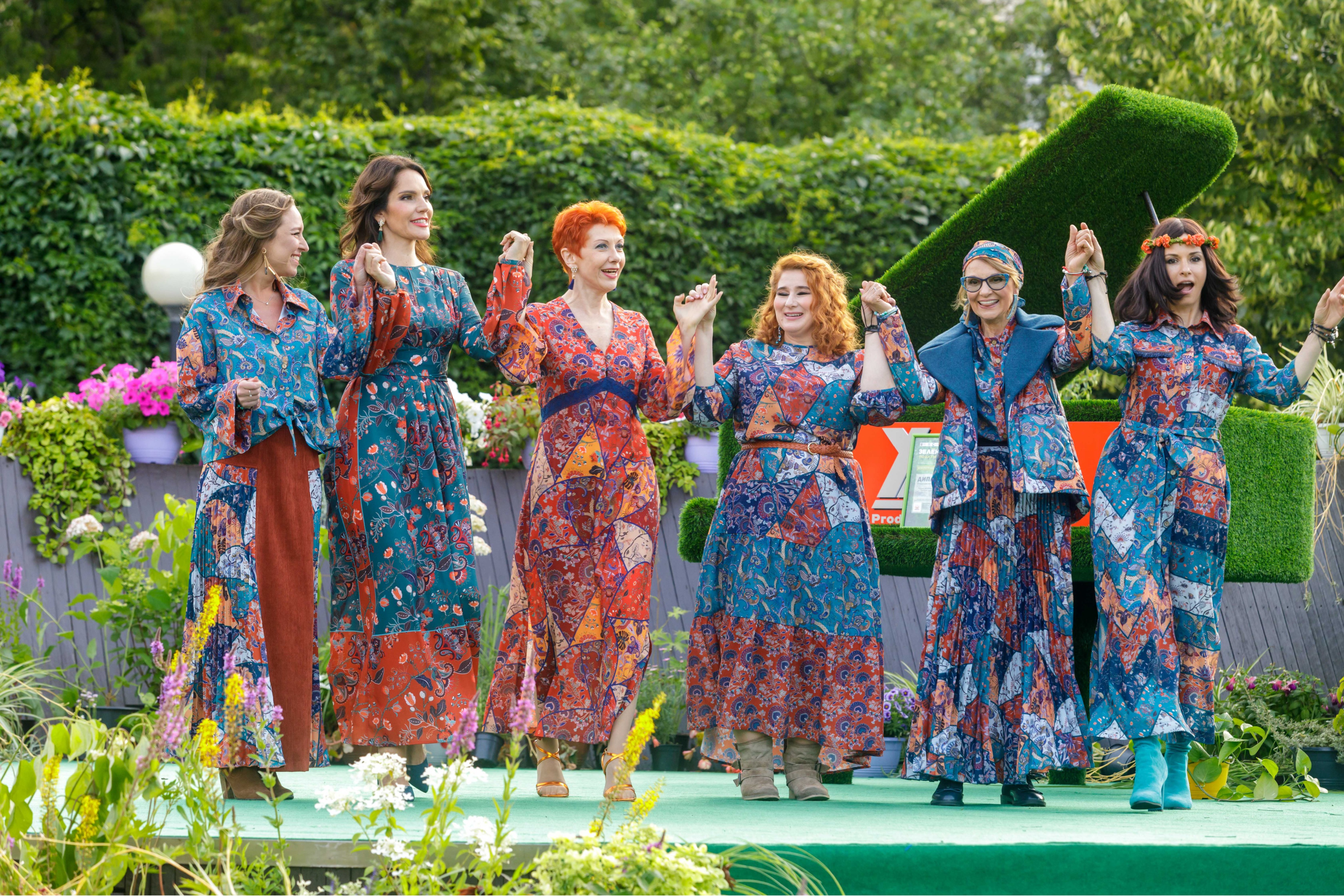
Original prints and designer quilting are the hallmarks of our brand. My second qualification is in textile design; I take a keen interest in contemporary art, follow trends, and view a wide range of works, selecting pieces that truly resonate with me or strike a chord. Once I realize a piece fits our aesthetic, we track down the artist, get in touch, and discuss the terms for using the image. Next, we create an artistic composition for printing directly onto the fabric—deciding, for instance, where to place a fox, a tree, a cottage, or other elements. It really allows for creative freedom.
Another approach involves me sketching an idea on paper and then commissioning artists we work with to create detailed illustrations based on those rough drafts. We collaborate with most of these artists on an ongoing, outsourced basis. Unfortunately, due to a heavy workload in other areas, I rarely draw myself these days. Sometimes I feel a twinge of sadness about this, but I fully understand that I simply cannot afford to dedicate a vast amount of time to drawing right now. Every time I visit an art supply store, I buy paints and a set of watercolor pencils, then come home and start bringing my visions to life—something that gives me immense pleasure. However, I usually run out of time to finish the drawings, so the sketches end up in a cupboard, waiting for a future opportunity. I’ve accumulated quite a lot of material like this. I hope that, at some point, I’ll be able to make time for my own artistic pursuits.
What technologies and know-how do you have in your arsenal?
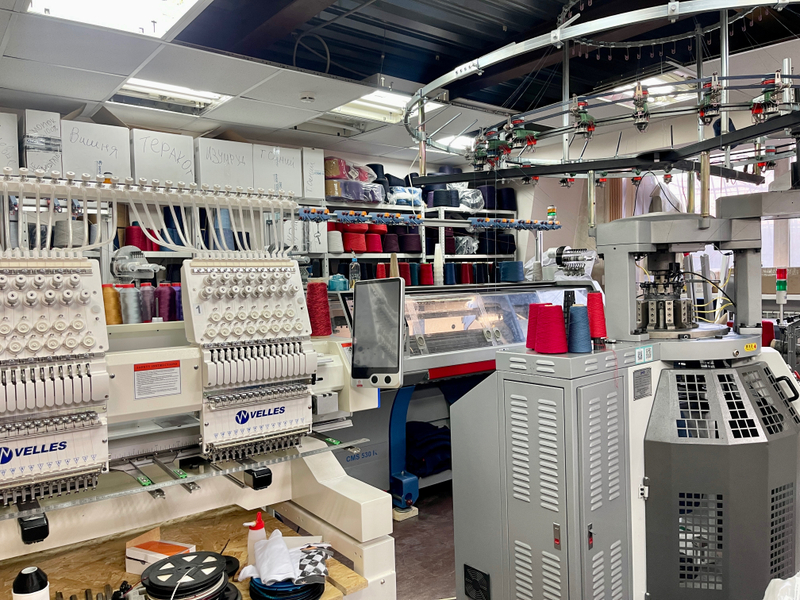
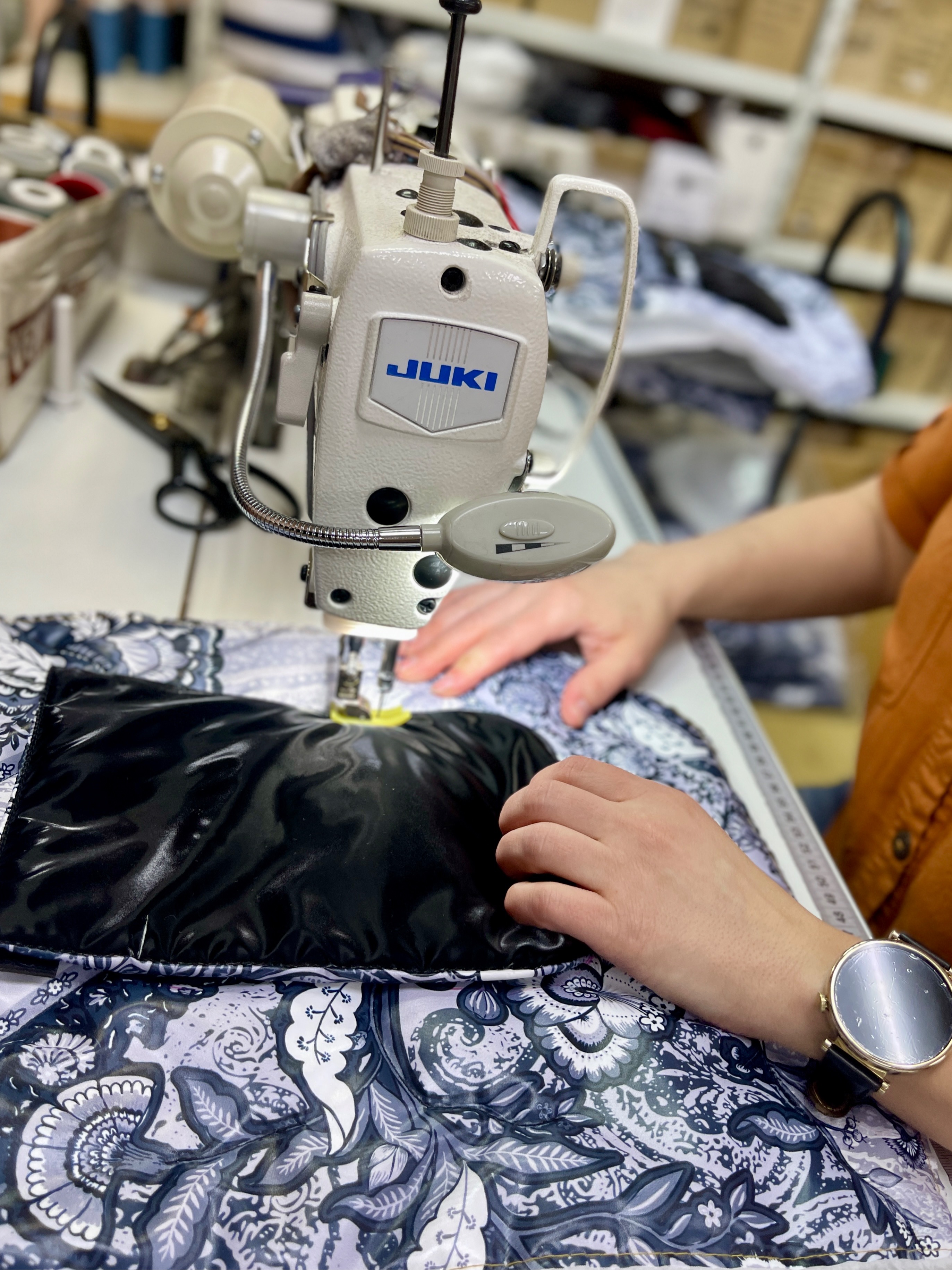
Sublimation printing, printing on natural fabrics, knitting equipment—these are all widely used, yet we approach them creatively every time. Like any manufacturer, we have our own know-how and secrets; while they aren't exactly classified information, utilizing them effectively is difficult without significant experience and a solid knowledge base. My latest innovation is 3D quilting that follows the contours of a pattern, giving the quilted items a 3D effect. It isn't patented—since the technology has already spread widely, I think it’s too late for that—but I am proud to have come up with the idea myself.
Do you encounter plagiarism? And if so, how do you deal with it?
In today’s world, where high technology makes everything so accessible and close at hand, it is impossible to avoid plagiarism entirely. That said, plagiarism comes in various forms, and the law interprets it in complex ways. There is direct copying, and then there is adaptation. People might also borrow a good idea that isn't technically protected intellectual property. We encounter everything from exact replicas of our clothing to adaptations and the copying of specific elements, such as a design. We do take protective measures, but given the era we live in and the fast-paced nature of fashion, we try to stay one step ahead. While unscrupulous manufacturers are busy producing knock-offs, we are already working on new collections. A major issue is the large-scale direct copying of our products by manufacturers in China and Turkey. If you walk through major markets, you can find entire rows of stalls selling copies of our items. They sew on their own labels and sell the products for a price that barely covers the cost of our materials alone. But quality inevitably suffers—DusheGreya’s customers would never buy such items. We still have a Chinese-made vest hanging in our office that is made of lining fabric and uses a laminate underlay as insulation. On a mass-market scale, these products sell thanks to their low price and popular prints. Quality is one of DusheGreya’s core principles. When faced with a choice between something simpler and cheaper versus something of higher quality but higher cost, we always choose the latter—and, of course, we guarantee the quality of our products.
Tell us more about modern insulation materials.
Let’s look at a few examples everyone can relate to. Nowadays, we no longer assume that a thicker television set delivers a better picture; modern TVs are thin yet offer excellent sound and image quality. The same applies to home insulation. While some houses have standard concrete walls a meter thick, modern construction technologies utilize thin insulation materials that effectively retain heat inside. The same holds true for clothing insulation. The old rule—"the thicker it is, the warmer it is"—no longer applies. Modern insulation materials are thin, lightweight, breathable, and hypoallergenic, maintaining a comfortable temperature. They are easy to care for and do not clump together like down. We know that a standard down jacket often loses its appearance after a few washes—feathers poke through, and the down clumps up. In contrast, we use modern insulation materials. They are high-quality, retain their shape, do not clump, do not poke through the lining or outer fabric, and provide excellent thermal retention. We use Alpolux insulation, developed specifically for the Russian market to withstand temperatures as low as -40°C. The insulation combines unique microfibers with natural Merino wool, creating ideal conditions for long-lasting heat retention. It is both soft and resilient, ensuring the garment holds its shape perfectly without becoming stiff or rigid. Unique fiber bonding creates an internal microclimate that helps maintain an optimal body temperature: you stay warm outdoors—even in the bitterest cold—and comfortable indoors. Additionally, wearing garments with Alpolux insulation can help alleviate pain for those suffering from radiculitis.
Alpolux insulation is even used in clothing for polar explorers. Manufacturers of children's clothing also favor this type of insulation. Such garments are easy to wash at 30°C—a significant advantage when it comes to kids' clothes—and should be air-dried on a hanger, away from electric heaters.
"DusheGreya" recently added an innovative machine to its production facilities. What exactly is this new technology?
In late 2019, we acquired a Japanese-made machine for direct printing on natural fabrics. We had been waiting a long time for such a machine to be invented. Printing on natural fabrics is a rather complex process. Previously, machines with similar capabilities required vast amounts of space—entire workshops—and the production process was large-scale and environmentally unfriendly, making it unsuitable for small businesses. Now, thanks to the invention of a machine roughly the same size as a standard sublimation printer, small-scale manufacturers have experienced a breakthrough that offers tremendous possibilities: you can come up with an idea and bring it to life immediately. Unfortunately, our previous experiences with third-party printing services were not very successful, resulting in a high defect rate. We are committed to high quality, so outsourcing the printing didn't work for us. Now, however, we have created many items for our summer collection featuring prints on natural fabrics. Another major advantage of this machine is the creative freedom it offers: there is no need to print 100 meters of the same pattern; instead, you can print completely different images. I want to emphasize once again that this represents a major breakthrough for small enterprises.